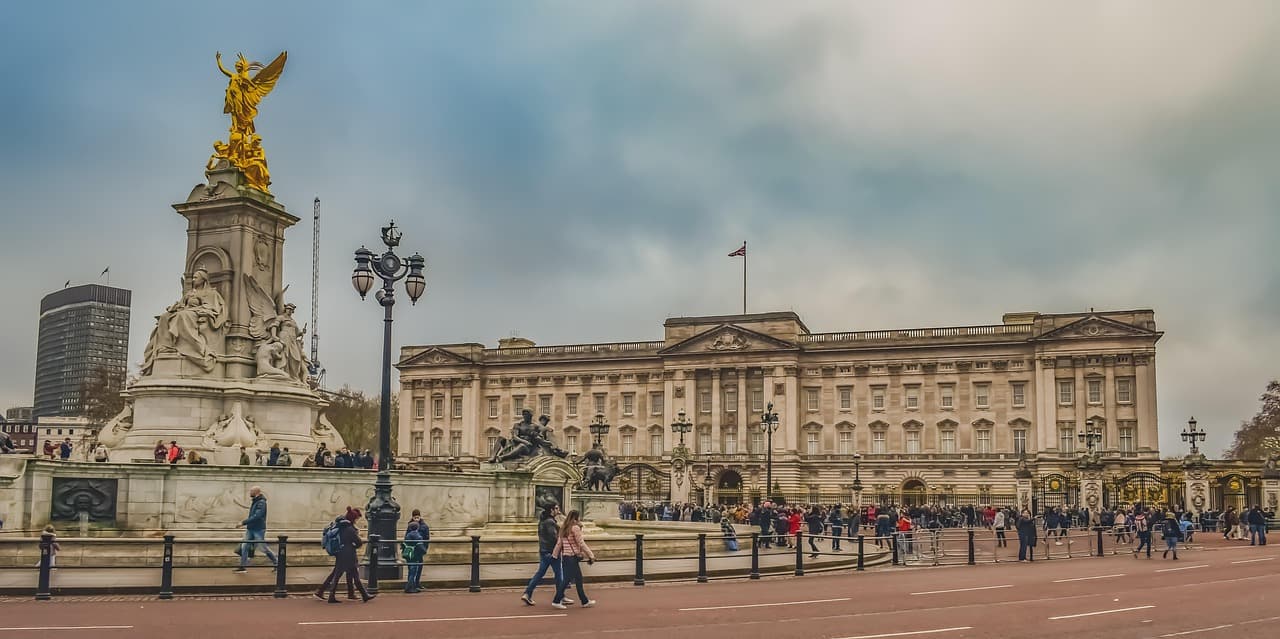
Free London Trip Template: 5-Day First-Time Itinerary
London runs on a split economy: its greatest museums are free while its headline sights (Tower, Abbey, view decks) charge more than Paris — so this template alternates paid-anchor days with free days, and the budget breathes instead of bleeding. Geography gets the same discipline as NYC: one tube spine per day, walking between neighbors, contactless fare-capping doing the ticket math for you. The free layer is the point — the National Gallery for an hour, Sky Garden instead of a £30 deck, a pub garden's Tower Bridge view — because in London the free version is usually the better version.
Who it's for
First-time London visitors who want the royal-and-historic canon and the neighborhood city around it, without the £400-per-person attractions bill a naive plan produces. Expect 7-9 km of walking a day with the tube doing long hops. Works for couples, friends, and families — with kids, make South Kensington's dinosaurs the anchor and swap the pub evening for the Science Museum.
Budget level
moderate
Day-by-day itinerary
Use this as a starting point — every detail is editable once it's in your own trip.
Check in — South Bank, Covent Garden, or King's Cross
Pick a bed on a big interchange (South Bank/Waterloo, Covent Garden/Leicester Square, King's Cross): every day of this plan is one tube line out and walking from there. Tap your contactless card or phone at every gate — fares cap daily on their own; nobody needs a paper ticket.
The Westminster set — from the bridge, on foot
The greatest free walk in the city, done as arrival therapy: Westminster Bridge for the Big Ben photo, past Parliament and the Abbey's exterior, up Whitehall past Downing Street and Horse Guards to Trafalgar Square. Every landmark, zero tickets, ninety minutes.
South Bank evening — river lights and dinner
Cross to the South Bank as the lights come on: the riverside walk from the Eye toward the Globe is London's best free evening, with food halls and pubs the whole way. Jet-lag insurance: dinner here keeps night one short and the hotel close.
Before you go
- Passport valid for your full stay — and check whether you need a UK ETA (Electronic Travel Authorisation) before flying; most visa-free nationalities now do, and it's not instant
- Book Tower of London and Westminster Abbey timed entries online as soon as dates fix — the two paid anchors sell their best slots first
- Book any must-see West End show weeks ahead; leave one theatre night for the TKTS/lottery day-of games
- Reserve free weekend timed slots for the South Kensington museums — free doesn't mean unticketed on Saturdays
- No Oyster card needed: tap the same contactless card or phone on every bus and tube gate and fares cap automatically
- Try for a Sky Garden free slot about a week out — it's the no-cost answer to the paid view decks
- Pack a rain layer regardless of season and shoes for 8 km days — London weather is a mood, not a forecast
- Type G plugs, 230V — the UK adapter is different from the European one; bring both if you're continuing on
Local tips
- The free-museum system is the best deal in world tourism — and it changes how you visit. Nobody needs three hours in the National Gallery when entry is free: do one great hour, leave wanting more, drop coins in the donation box.
- Stand on the right on escalators. This is not a suggestion; it's the social contract, and rush-hour London enforces it with sighs that can strip paint.
- Look RIGHT first crossing roads — the painted reminders on tourist-area curbs exist because visitors reliably look the wrong way.
- Pub literacy: order and pay at the bar, no table service, no tipping for drinks. 'Last orders' means the bell rings around 10:45pm — pubs are an early institution.
- Sunday quirks to plan around: Borough Market closed, Abbey closed to visitors, Columbia Road flower market OPEN. This template's day order assumes a Mon-Fri trip — shuffle accordingly.
- The tube map lies about distances: Leicester Square to Covent Garden is a 4-minute walk that the map makes look like a journey. When in zone 1, check the walking time before descending.
- September is prime London: 15-21°C, parks still green, summer crowds gone, theatre season warming up.
Booking tips
- Booking order: Tower and Abbey timed slots first (the two real sellouts), any must-see show second, Sky Garden's free release ~a week out, weekend museum slots last.
- Stay on a zone-1 interchange rather than chasing a cheaper zone-3 room — this template is one-line-out-per-day, and 40 minutes of daily commuting is the real price of the discount.
- Theatre pricing is a market with three games: book-ahead for the specific hit, TKTS Leicester Square for same-day 30-50% off, and digital lotteries (£10-50) for the biggest shows. Decide which game before you land.
- London hotel rates swing hard by day of week and event calendar — the same room can halve from a Wednesday to a Sunday night. Check both ends of your window before locking dates.
Watch and read before you go
Independent videos and traveler threads, not affiliated with Tripety — worth a look alongside the template above.
London Travel Tips for First Timers: 40+ Must-Knows — Happy to Wander
The etiquette and logistics layer — escalator rules, contactless fares, pub ordering — that this template references but can't demonstrate in text.
London Family Travel Tips for First Timers — Let's Go See It
The with-kids version of the same ground — useful for adapting this template's museum and theatre days to a family pace.
Verify travel requirements
Entry rules and travel advisories change. Confirm current requirements with official sources before you book.
FAQ
Is 5 days enough for London?
Five days covers the first-timer canon honestly: Westminster's landmarks, the Tower, the Abbey, two or three of the free museums, a theatre night, and real neighborhoods (Soho, Borough, a market morning). What it can't fit: day trips (Windsor, Oxford, Bath), Greenwich, or football — the classic seeds of trip two.
What should I book in advance for London?
Two paid things sell out meaningfully: the Tower of London and Westminster Abbey — book both timed entries when dates fix. Add any must-see West End show, a free Sky Garden slot (~a week ahead), and weekend timed slots for the free museums. Everything else — parks, markets, Westminster's exteriors, the river walks — is unticketed London.
How expensive is London really, and where does the money go?
The trap is paid attractions stacking: Tower (~£35), Abbey (~£30), a view deck (~£30), the Eye (~£30) per person adds up to a car payment. This template's structure is the answer — two paid anchors total, with the free-museum system, Sky Garden, and pub-garden views covering the rest. On the ground, budget £90-140 per person per day including one show night; the tube caps around £8-9/day by itself.
Do I need an Oyster card, or how does paying for the tube work?
No Oyster needed: tap the same contactless bank card or phone at every gate and bus reader, and the system charges the cheapest fare automatically with a daily cap. The only rules are to always tap in AND out on the tube, and to use the same card all day so the cap can do its work.
Which London museums are actually free — and is there a catch?
The permanent collections of the giants are genuinely free: the British Museum, National Gallery, Tate Modern, V&A, Natural History Museum, and Science Museum among them. The catches are small: special exhibitions are ticketed, busy weekends want a free timed slot booked online, and the donation boxes are how the system survives — feed them.
Can I turn this London template into my own editable plan?
Yes — "Use this template" copies all five days into your Tripety account as a live trip: re-date it around your show tickets, swap the market morning for Greenwich, attach real bookings. Your browser's print-to-PDF gives an offline copy for the plane.
Ready to plan your London trip?
Use this template to start a real trip you can edit, share, and book from.
Want more free planning tools? See our passport document checklist or check plugs and voltage for London, United Kingdom.